Down vs. Synthetic Insulation: A Practical Guide for Bedding and Comforters
An accessible exploration of how different fills shape warmth, loft, care, and sustainability for comforters, duvet inserts, and other essentials in the bedroom.
Published September 29, 2026 • By Your Friendly Bedding Editor
Choosing the right insulation for bedding isn’t just about warmth. It’s about weight, loft, compressibility, care, and ethics. This guide dives into the practical contrasts between natural down and synthetic fills, illustrated with real-world examples from trusted brands like Naturepedic, Healthy Choice, and The Clean Bedroom. We’ll also spotlight a few notable personalities who helped shape how we think about warmth, comfort, and sustainable design across different eras.
Core differences between natural down and synthetic fills
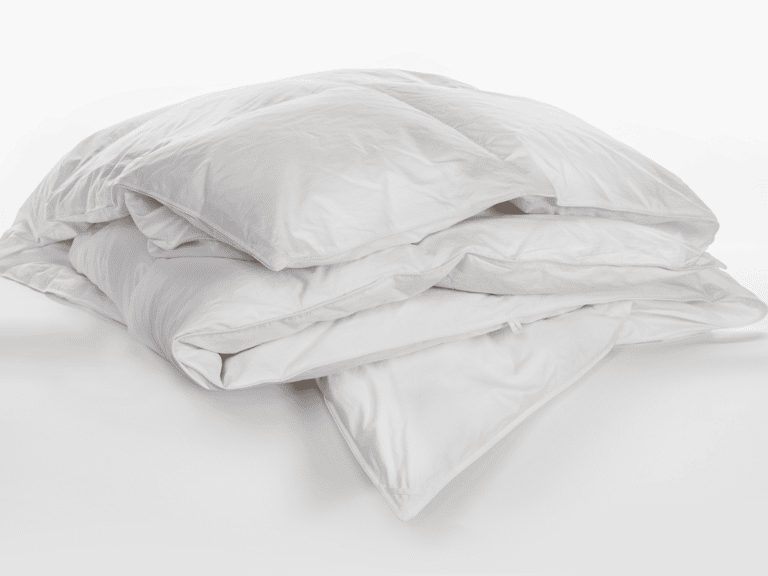
Natural down is celebrated for exceptional warmth-to-weight ratio, loft, and compressibility. It traps air in tiny clusters, creating a breathable loft that feels soft and cloud-like. High-fill power down (such as 600-700+ fill power) delivers impressive warmth with relatively little weight, which makes lightweight down duvet inserts a popular choice for warm climates or hot sleepers who still crave that fluffy, insulating barrier.
In contrast, synthetic insulation—often made from polyester fibers—tends to be more affordable, hypoallergenic by construction, and easier to care for. Synthetics can excel in moisture management and warmth when wet, and they generally maintain insulation performance even after repeated washing. Modern synthetic fills can mimic the loft and warmth of down, but they usually weigh a bit more for the same warmth level and may feel less airy than premium down lofts.
To make this concrete, consider the following quick distinctions:
- Warmth-to-weight: Natural down often wins, delivering more warmth with less weight in lightweight duvet inserts and midweight comforters.
- Loft and compressibility: Down lofts exceptionally well and compress very compactly for travel or storage; synthetics are excellent but tend to regain loft after compressing more slowly.
- Care and durability: Down requires careful washing and drying to prevent clumping; high-quality synthetics can be machine-washed and dried more easily without special care.
- Hypoallergenic considerations: Many synthetic fills are inherently hypoallergenic; down may require special down with RDS (Responsible Down Standard) or hypoallergenic processing to suit sensitive sleepers.
- Ethics and sustainability: Down sourced from RDS-certified suppliers emphasizes animal welfare, while certain synthetics emphasize recycled fills and plant-based blends for sustainability.
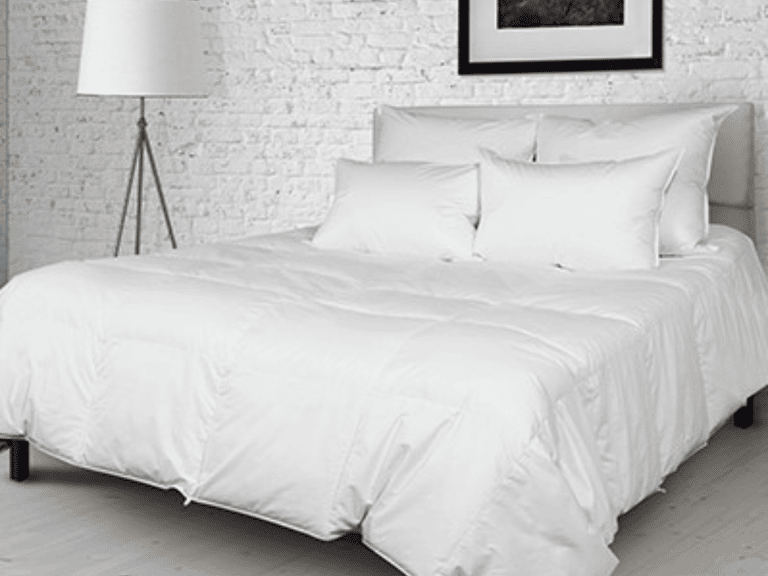
In practical terms, a lightweight down duvet insert is ideal for warm sleepers who still want robust loft without bulk, while midweight or winter-weight down offers dependable warmth for cooler environments. Synthetic options shine for hot sleepers who want easy maintenance and fewer allergies, or for households prioritizing budget-conscious decisions.
Practical decision criteria by climate, sleep style, and maintenance
Let’s anchor the discussion with everyday use cases drawn from established brands that blend science and craft:
- Climate and room temperature: In hot climates or warm bedrooms, lightweight options with high breathability work best. The Flora Summer Weight comforter, featuring Hypodown 600 fill power and a breathable cotton shell, is a good exemplar. Its low-profile loft helps keep you cool while delivering consistent warmth when needed.
- Sleep style and position: Side sleepers typically need more loft and chamber structure to prevent cold spots, whereas stomach sleepers may prefer a lower loft. The Sequoia midweight and Sequoia lightweight lines illustrate how fill and box construction influence contour and edge-to-edge warmth without unnecessary bulk.
- Care and longevity: Down requires careful care—proper washing, thorough drying, and occasional fluffing to maintain loft. The Avalon and Avalon-like limited-item duvets show how premium down can be paired with durable cotton shells and sewn-through or box constructions to keep fill evenly distributed.
- Ethical considerations and sustainability: Down sourced via Responsible Down Standard (RDS) emphasizes animal welfare, while some milkweed blends or milkweed fibers in Hypodown formulations offer hypoallergenic performance with biodiversity support. Examples from The Clean Bedroom highlight how brands combine RDS-certified down with milkweed or recycled components to balance warmth with ethics.
For readers exploring bedding like Naturepedic’s organic down duvet insert or Healthy Choice’s organic wool comforters, the key is to align warmth with care: how the fill was sourced, how the shell was manufactured, and how you plan to launder and care for the piece over time.
Real-world examples from notable products
To illustrate, here are three standout products that reflect different philosophies in the bedding world:
Naturepedic Organic Down Duvet Insert
Organic duck down, GOTS-certified organic cotton shell, and a stitch-through box pattern for even loft. This insert emphasizes luxury with a responsible footprint and offers options across lightweight to all-season warmth.
Brand: Naturepedic
Healthy Choice Lightweight Organic Wool Comforter
GOTS-certified wool sourced from Argentina, wrapped in Peru-made organic cotton and finished with a durable organic cotton shell. This option underscores natural warmth and breathability without synthetic fibers.
Brand: Healthy Choice
The Clean Bedroom Manhattan Goose Down Comforter
Large cluster Hungarian goose down with a TENCEL Lyocell shell; 850 fill power options; box construction with gusset for maximum loft and temperature regulation.
Brand: The Clean Bedroom
Ethical sourcing and environmental considerations
Ethics and sustainability increasingly shape buying decisions in bedding. Down products with RDS certification reflect humane practices and traceability. Organic cotton shells reduce chemical exposure, and certifications like GOTS (Global Organic Textile Standard) and OEKO-TEX ensure textiles meet safety and environmental benchmarks. Wool and other natural fibers, when responsibly sourced, offer natural warmth and moisture management without relying on synthetic additives.
Across bedding lines, you’ll encounter a spectrum of blends—such as Hypodown 700 fill power with a 70/30 mix of goose down and milkweed fiber. These blends aim to retain warmth while reducing weight and improving moisture management, with the added benefit of supporting biodiversity initiatives through traceable supply chains.
Key voices across time: three notable individuals
Sir Thomas Browne (1600s) – The Enlightenment Enthusiast of Observation
A 17th-century physician and writer who championed careful observation and the value of natural materials. Browne’s curiosity about how things feel, weigh, and insulate the body would align with early textile science—pushing for empirical understanding of warmth and comfort, long before modern lab equipment.
Lillian Moller Gilbreth (1878–1972) – Efficiency in Everyday Life
A pioneering efficiency expert who looked at how design of environments impacts daily living. Gilbreth’s focus on workflow, ergonomics, and optimized comfort resonates with the editorial direction of bedding products that prioritize ease of care, longevity, and practical warmth in real rooms and real lives.
Jane Goodall (1934– ) – Biodiversity and Responsible Sourcing
A contemporary icon whose work in biodiversity and ethical stewardship informs modern sustainability narratives. Goodall’s emphasis on responsible sourcing and ecological balance mirrors how bedding brands discuss milkweed blends, recycled fills, and RDS certifications to support humane and environmentally conscious choices.
Want to dive deeper?
Explore a curated content roadmap for the first 6–12 months, including foundational pages, explainer articles, environmental considerations, and comparative guides. We’ll also craft beginner-friendly primers, glossary resources, and downloadable infographics to help readers grasp loft, fill power, and insulation performance at a glance.